Community Empowerment and Engagement Initiatives
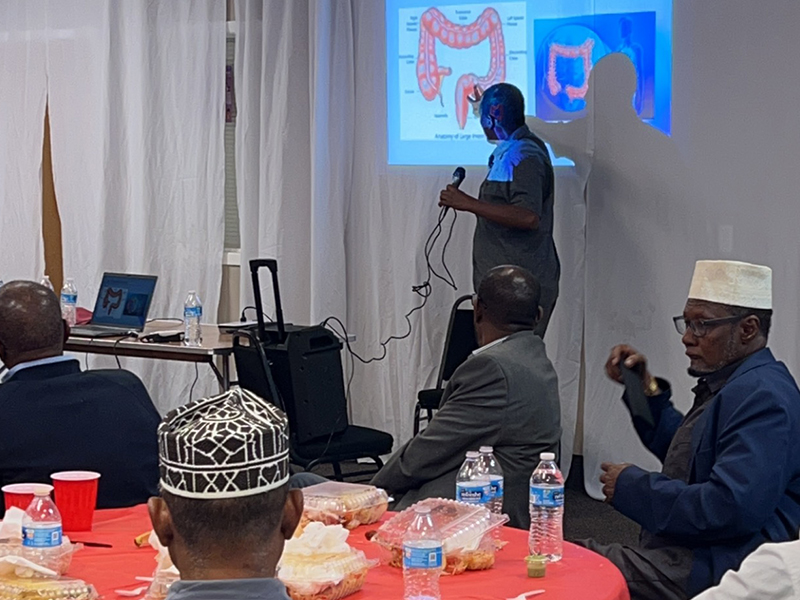
Community empowerment and engagement initiatives are strategies and programs designed to involve and empower the African refugee & Immigrant communities in decision-making processes that affect their lives. These initiatives aim to strengthen the capacity of communities to identify their own needs, set their own goals, and take action to achieve those goals. Here are some key components of our community empowerment and engagement initiatives:
Participatory Decision-Making:
Community Meetings and Forums: Regular gatherings where community members can voice their concerns, discuss issues, and collectively make decisions.
Citizen Advisory Boards: Formalized groups of community members who provide input and advice on specific topics or projects.
Capacity Building:
Workshops and Training Programs: Providing skills and knowledge to community members on topics like leadership, advocacy, project management, and more.
Access to Resources: Ensuring communities have access to information, technology, funding, and other resources needed to address their priorities.
Collaborative Projects:
Community-led Initiatives: Supporting and facilitating projects that are conceived, planned, and executed by community members, such as community gardens, clean-up campaigns, or educational programs.
Partnerships with Organizations: Collaborating with non-profits, NGOs, government agencies, and businesses to leverage additional resources and expertise.
Advocacy and Policy Change:
Community Advocacy Groups: Organized groups that work together to advocate for policy changes or address specific issues affecting their community.
Policy Forums and Discussions: Platforms for community members to engage with policymakers to influence decisions that impact them.
Information Dissemination:
Community Newsletters and Websites: Platforms for sharing information about events, projects, resources, and opportunities within the community.
Social Media and Online Forums: Utilizing digital platforms to reach a wider audience and facilitate discussions.
Cultural and Social Events:
Festivals and Celebrations: Events that bring community members together for cultural exchange, entertainment, and fostering a sense of belonging.
Workshops on Cultural Awareness: Promoting understanding and appreciation of different cultures within the community.
Community-Led Research and Data Collection:
Surveys and Focus Groups: Engaging community members in data collection efforts to better understand their needs, priorities, and challenges.
Community Health Assessments: Gathering information on the health and well-being of community members to inform targeted interventions.
Youth and Education Programs:
Youth Leadership Development: Providing opportunities for young people to take on leadership roles and contribute to community initiatives.
After-school Programs and Tutoring: Supporting educational attainment and skill-building among young community members.
Environmental Sustainability and Conservation:
Community Clean-Up and Greening Initiatives: Projects focused on improving the environment and public spaces within the community.
Education on Sustainable Practices: Raising awareness about conservation and sustainable living.
Monitoring and Evaluation:
Feedback Mechanisms: Establishing channels for community members to provide feedback on initiatives and projects.
Impact Assessments: Evaluating the effectiveness and outcomes of community empowerment and engagement efforts.
These initiatives aim to foster a sense of ownership and pride among community members, ultimately leading to more resilient, self-reliant, and thriving neighborhoods. These initiatives are culturally and responsive to the unique needs and strengths of our community.