The Center for African Health and Education Cancer Awareness Series
May 03, 202505:40 pm
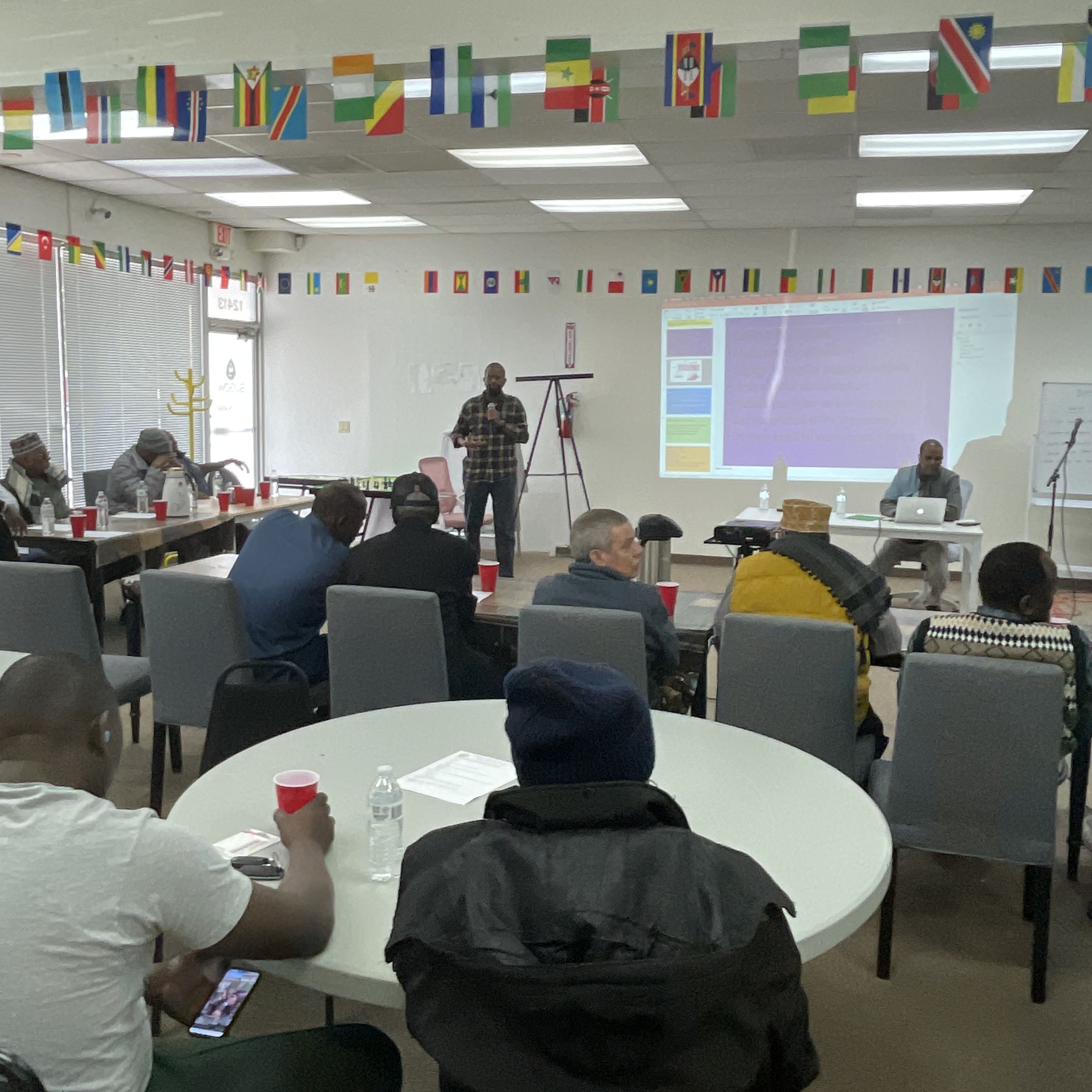
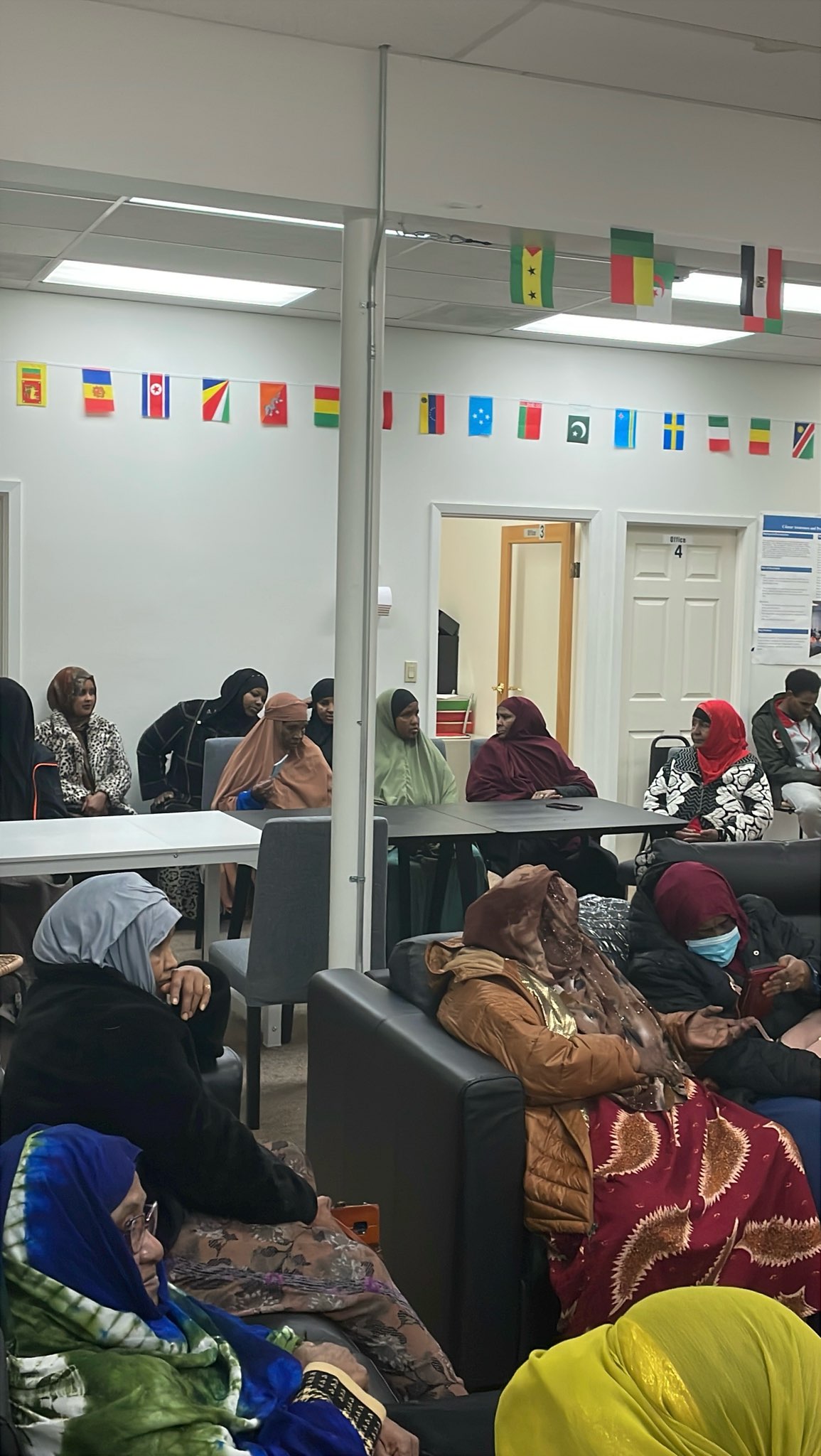
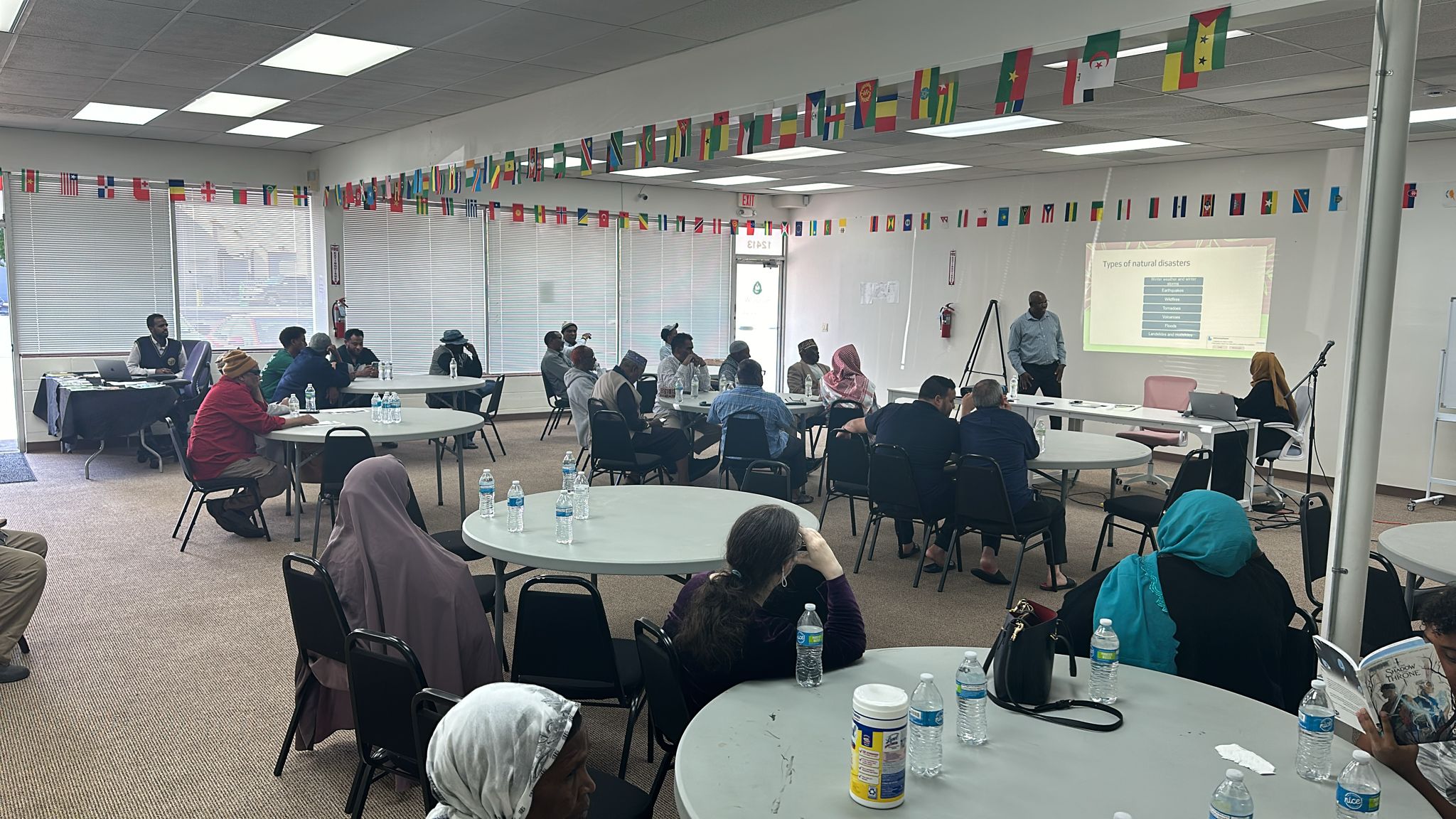
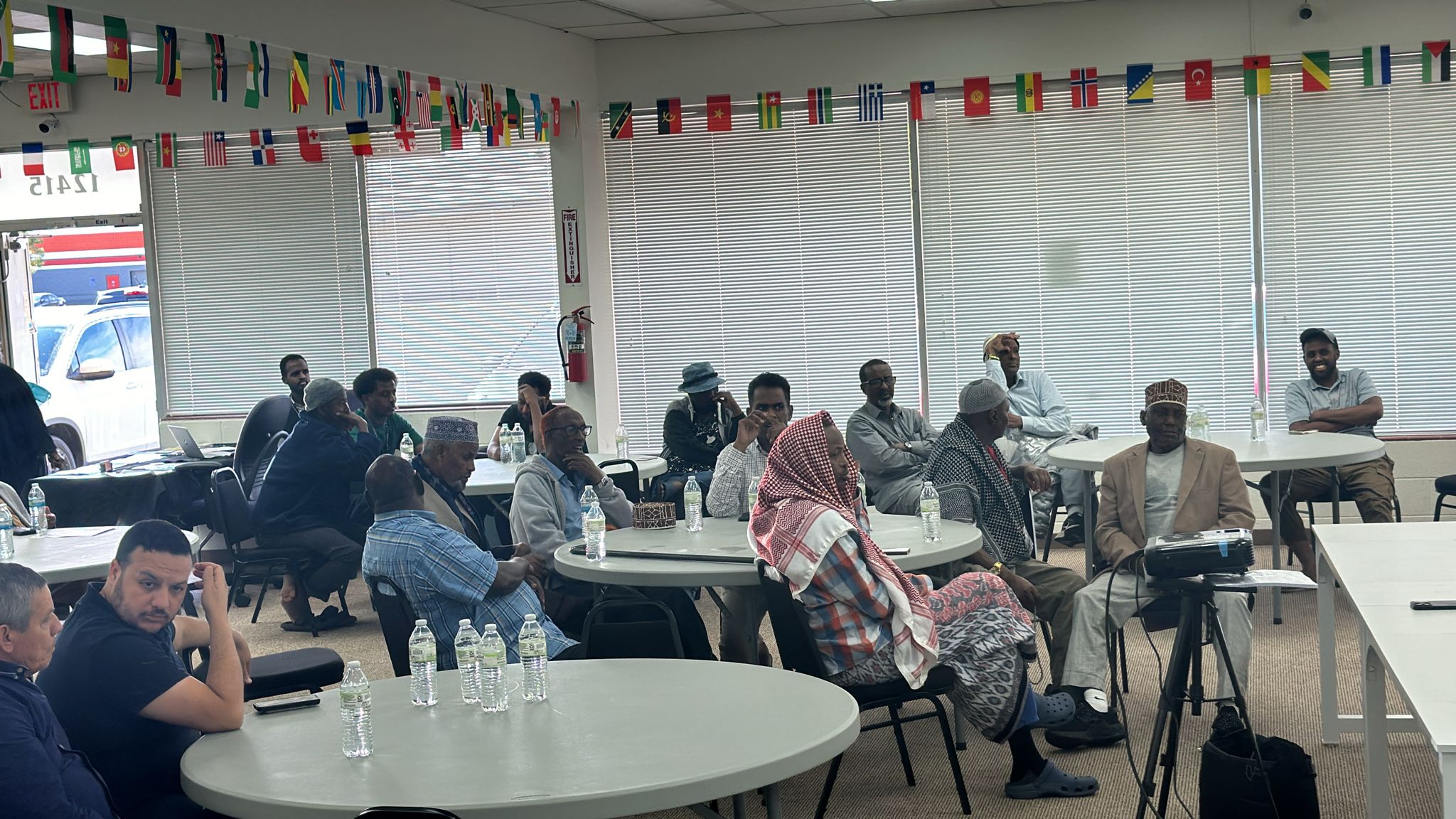
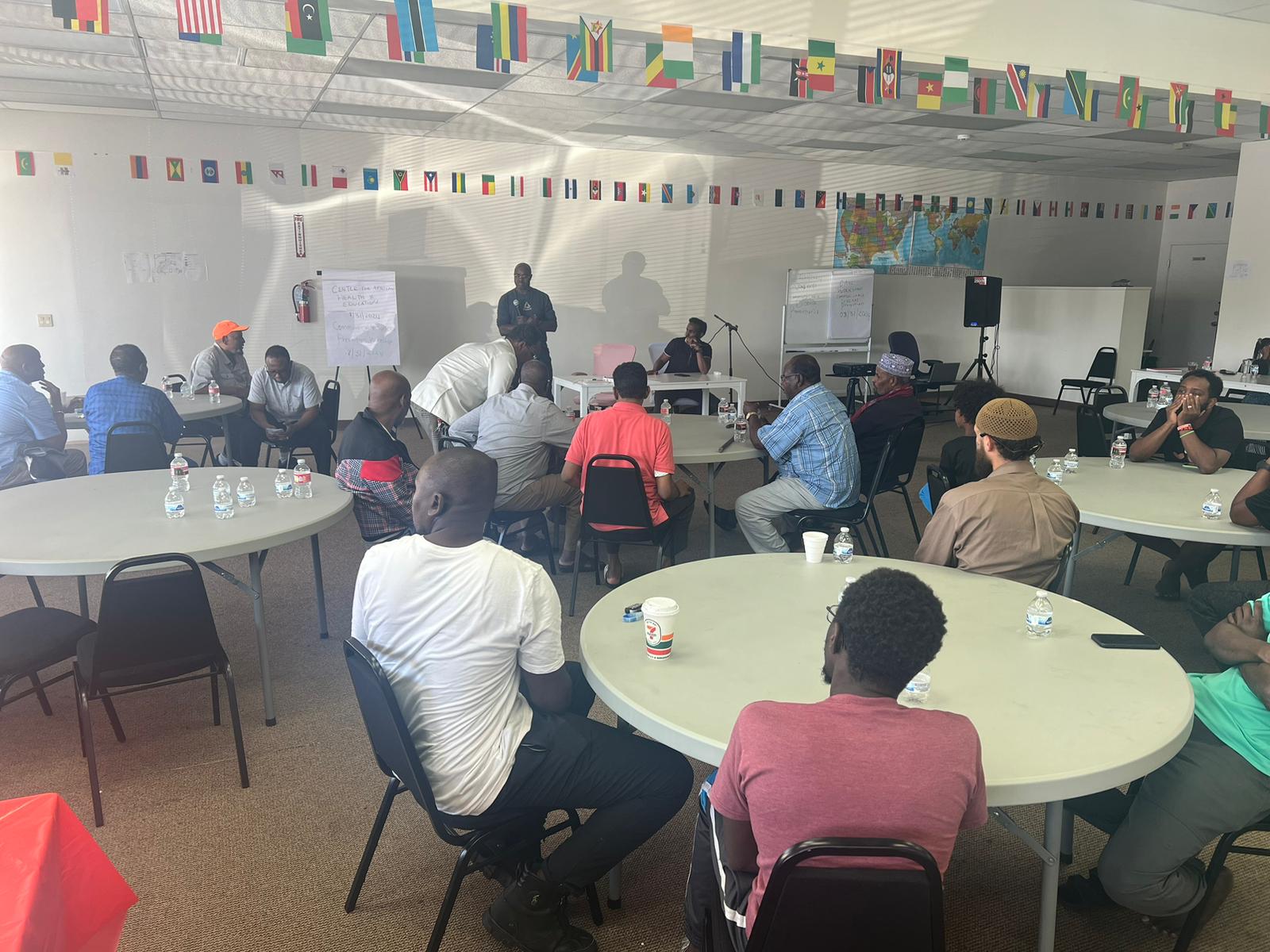
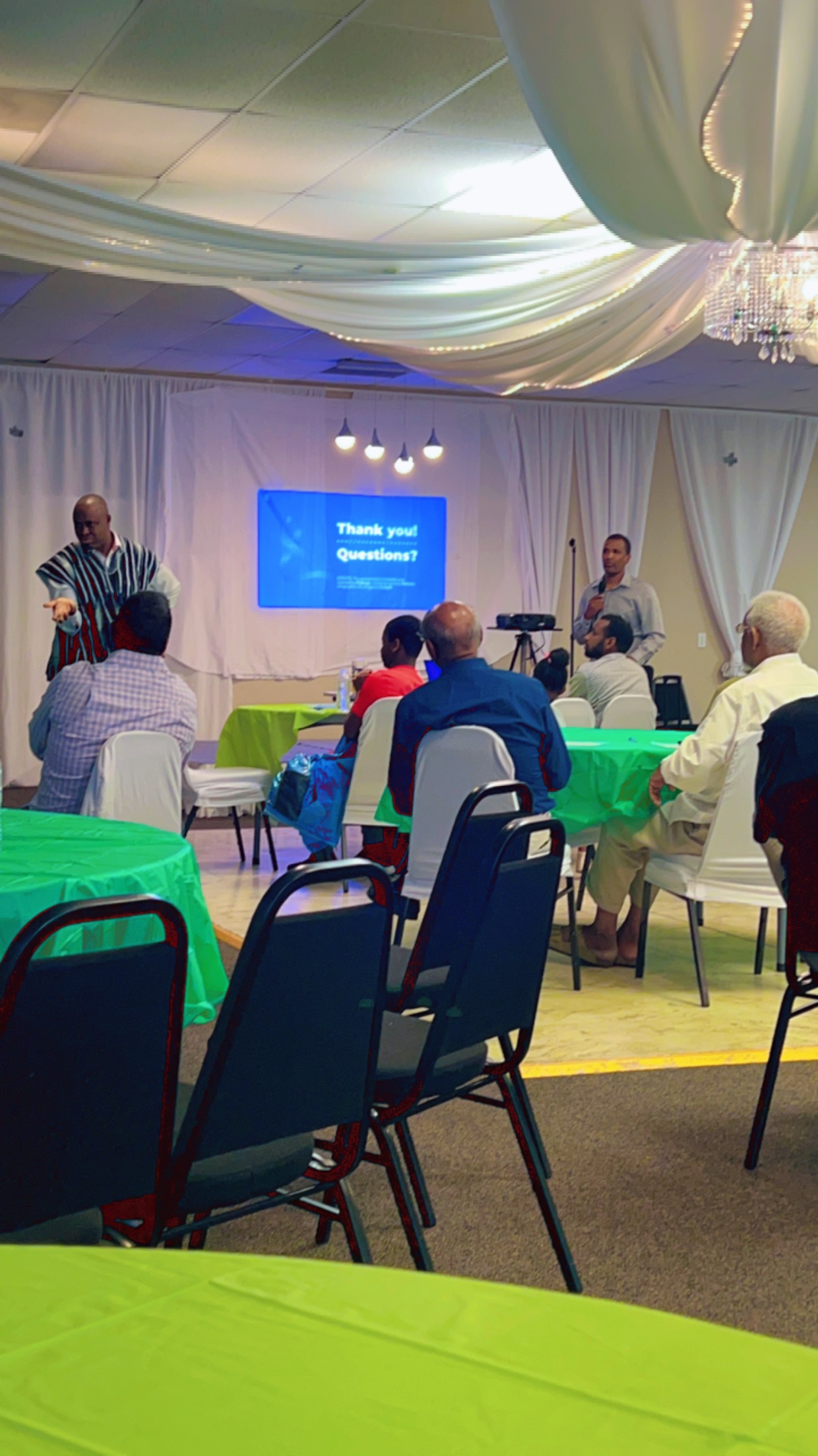
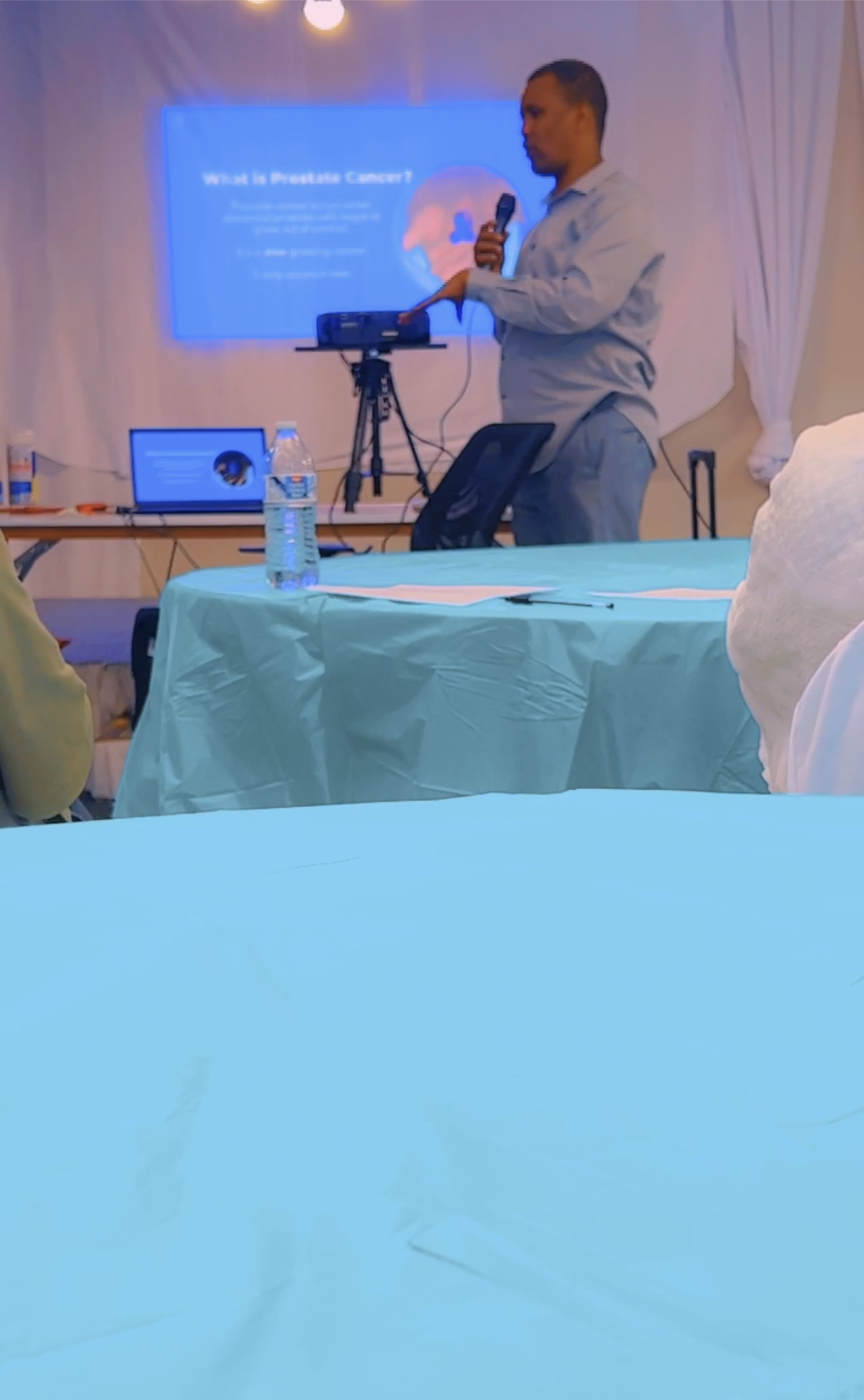
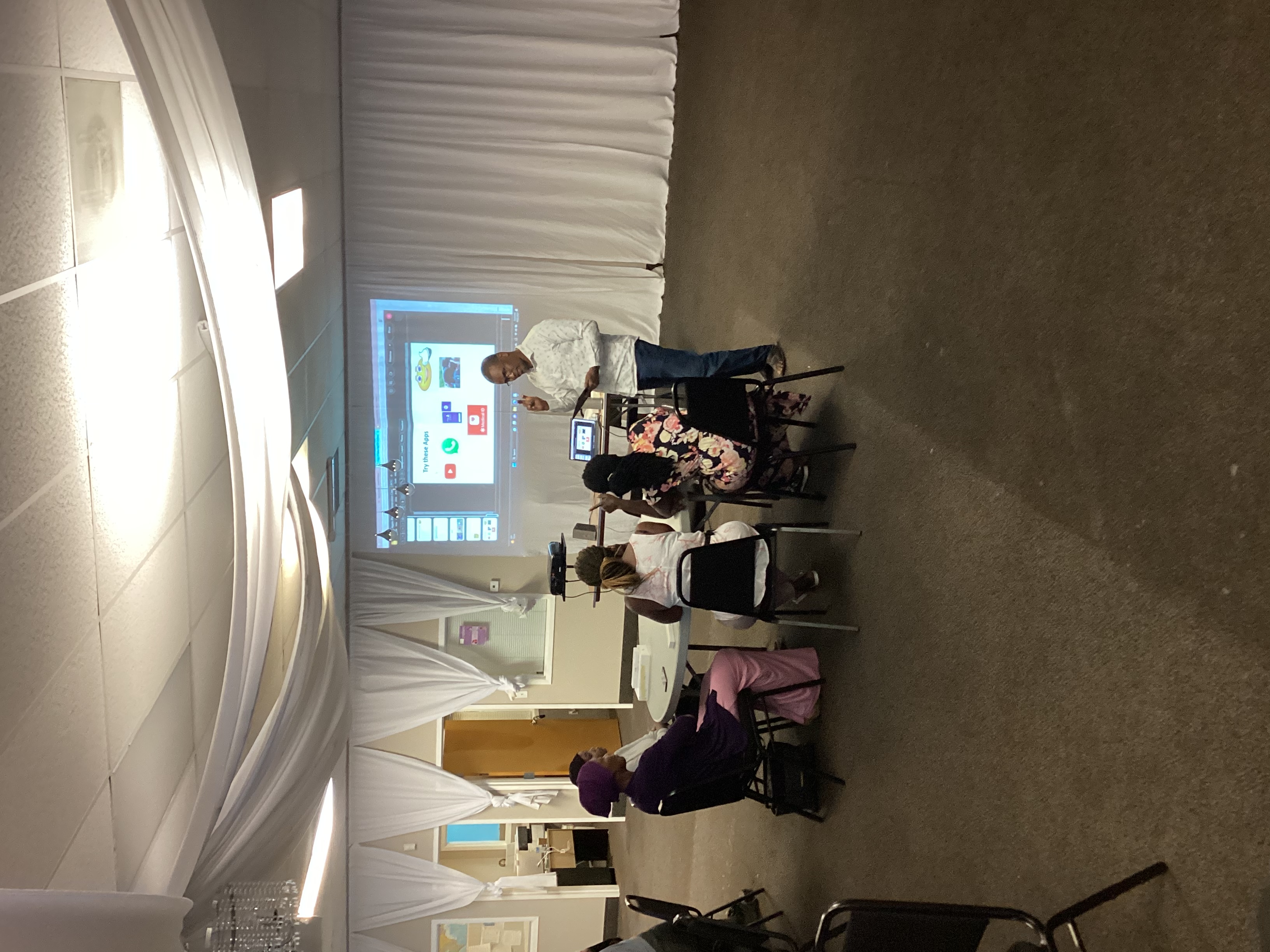
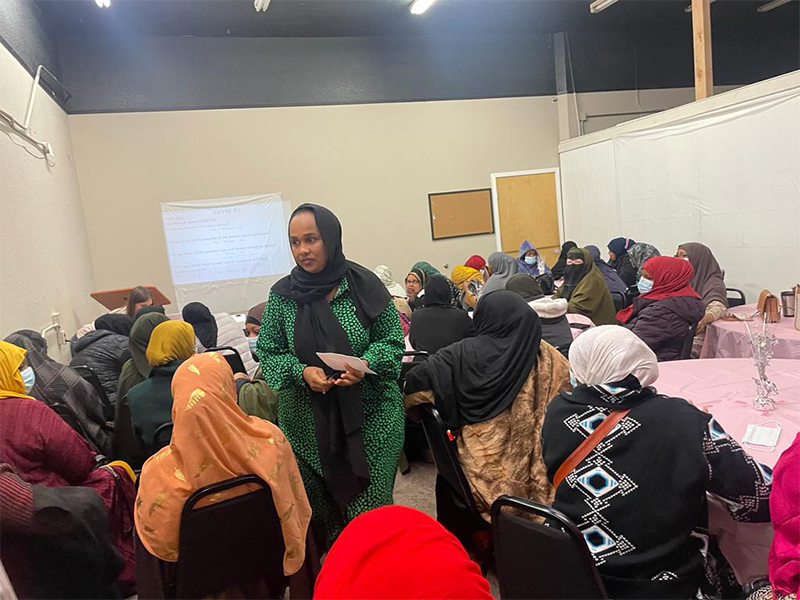
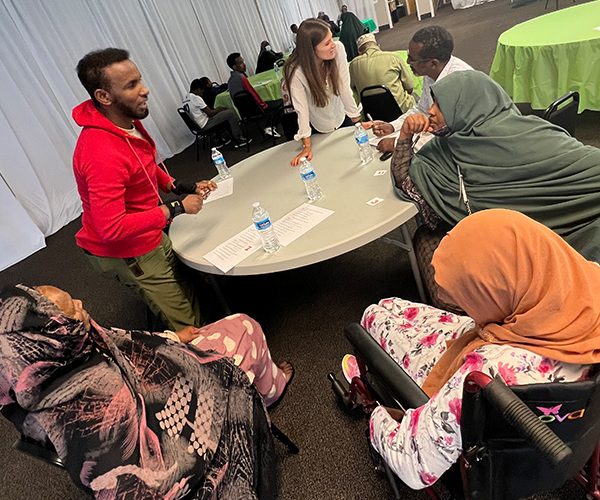
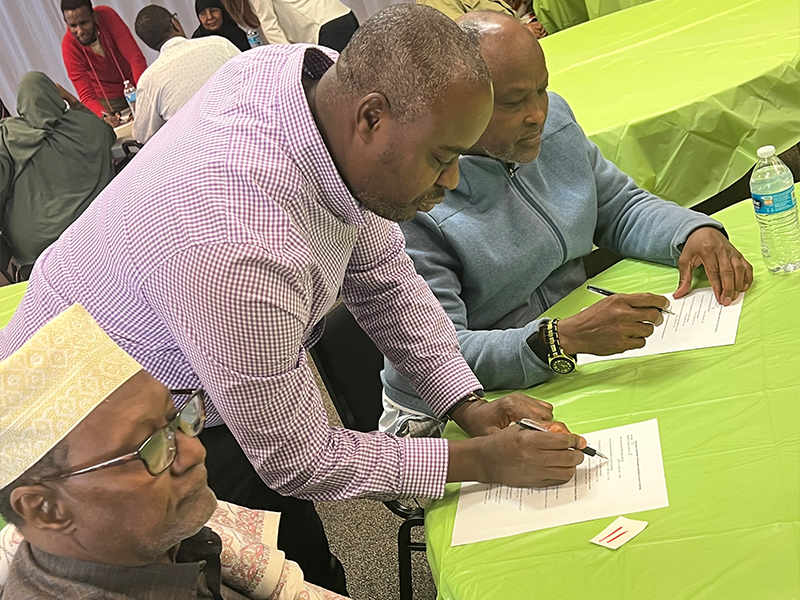
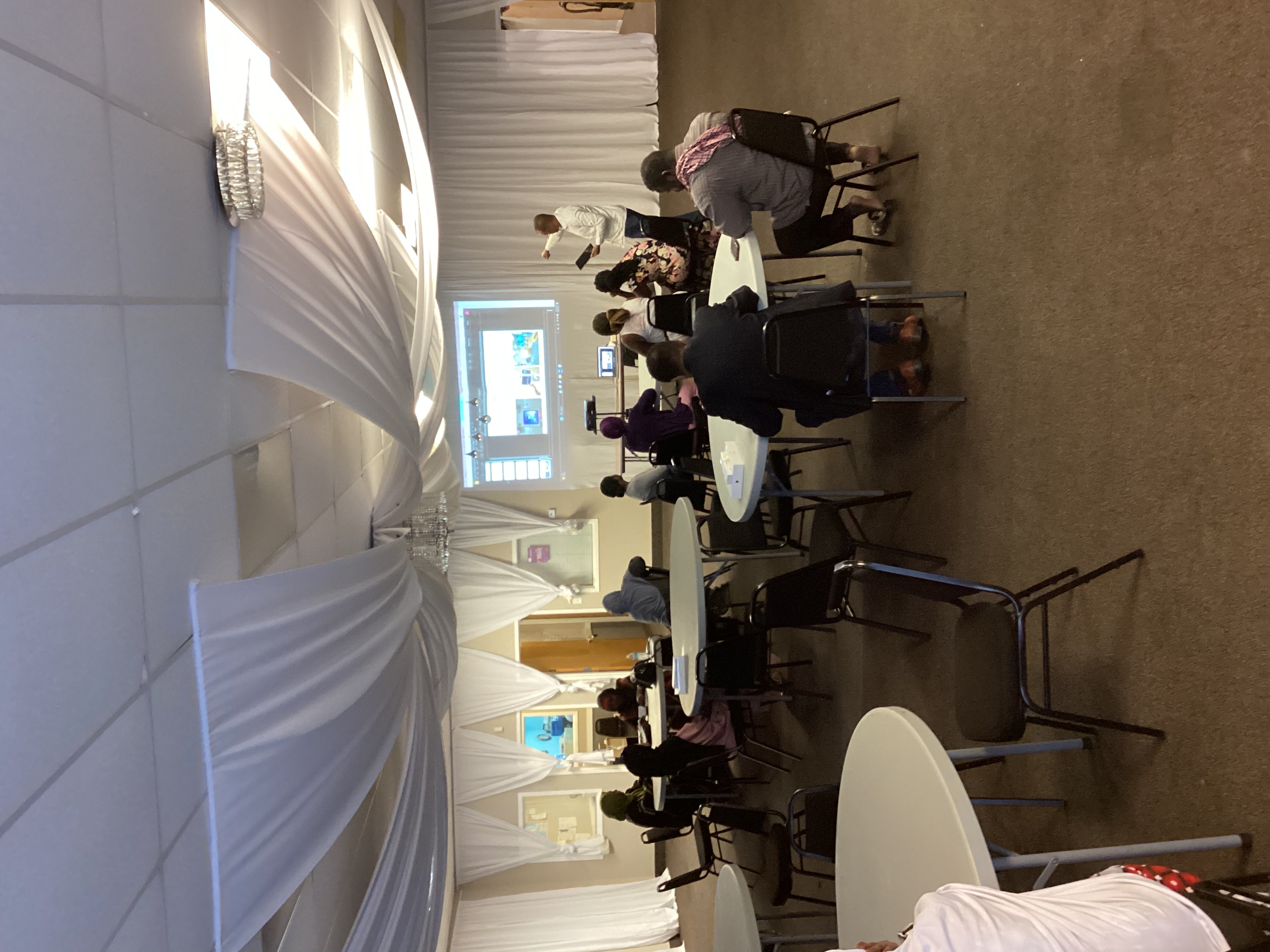
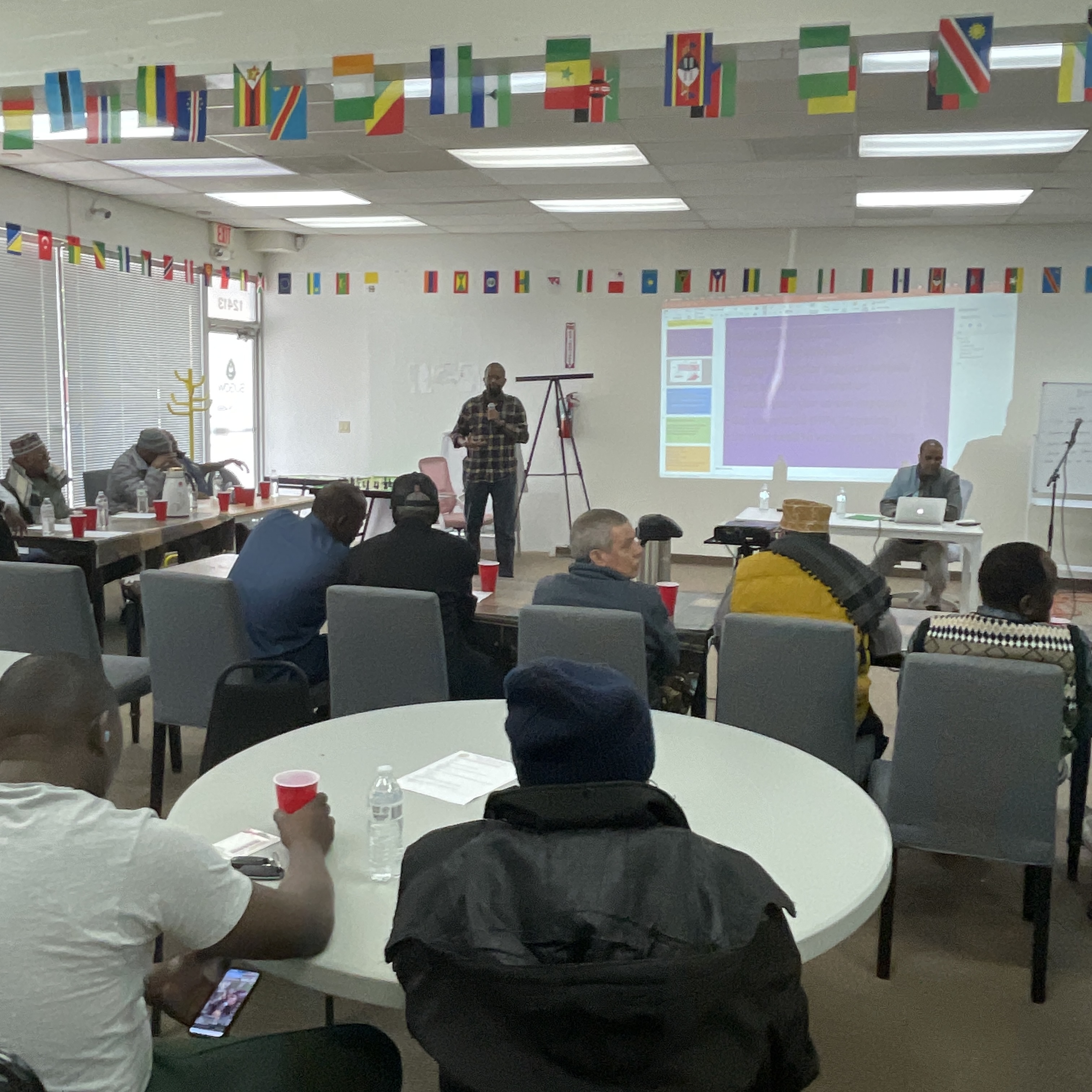
The Center for African Health and Education (CAHE) held a workshop on 05/03/2025 in its office to educate African immigrants in the Portland Area regarding the scorch of cancer. In this six-part workshop series, the goal of this particular event was to give an overview of what cancer is: its definition, types, signs and symptoms, and ways to get help among many other subtopics.
As many people would know, cancer is a word that brings fear, confusion, and uncertainty. However, for the vast majority in the African immigrant community, talking about serious illnesses such as cancer can feel a little uncomfortable; to others especially the older ones, it is a taboo. That said, it’s extremely that conversations start now than later—because knowledge is power, and detecting this killer disease early can save many lives. Nonetheless, this had to happen in a cultural appropriate way.
What Is Cancer?
We began our workshop with defining a disease whose name does not even exist in local languages. For the many Somali speakers, for instance, the word is borrowed from English and is simply kansar. Its definition is often tricky as we had to go in circles, using synonyms and examples to say what it was (this is true for many other diseases and scientific concepts). Regardless, cancer is a group of diseases where the cells in the body grow out of control. These cells can form lumps or spread to other parts of the body. While cancer can affect anyone, many types are treatable when discovered early. Many of the attendees were surprised to learn that cancer can attack different parts of the body and the signs and symptoms are as diverse. Speaking in local languages, the presenters explained everything in detail.
Why Should We Talk About Cancer?
In many African cultures, discussing illness may be considered private, or even shameful. However, not talking about it is not an option: it can lead to late diagnoses and fewer treatment options. These individuals must recognize the severity of this disease and begin to see it as a medical condition and not anything else—not a curse or punishment—and one that often responds well to care, especially when detected early.
Common Types of Cancer in Our Community
Some cancers—such as breast, prostate, cervical, and colorectal cancer—are more common or even more deadly amongst people of African descent. The good news, however, is that regular check-ups and screenings can help detect these early. We had to insist for these audience to seek help and go screenings.
Overcoming Barriers to Care
Many immigrants face challenges like lack of knowledge of this disease (and many others), language barriers, lack of insurance, unfamiliarity with the healthcare system, or fear of diagnosis. But resources are available—community health centers, local support organizations, and culturally competent providers can help guide people our audience. But the initiative has to come from them. We expressed our willingness to assist them—as part of the Center’s work— and that we are here to walk with them and have them checked.
Taking Action
· Schedule regular screenings
· Pay attention to changes in your body
· Don’t ignore symptoms
· Ask questions—there’s no shame in seeking help
Question & Answer
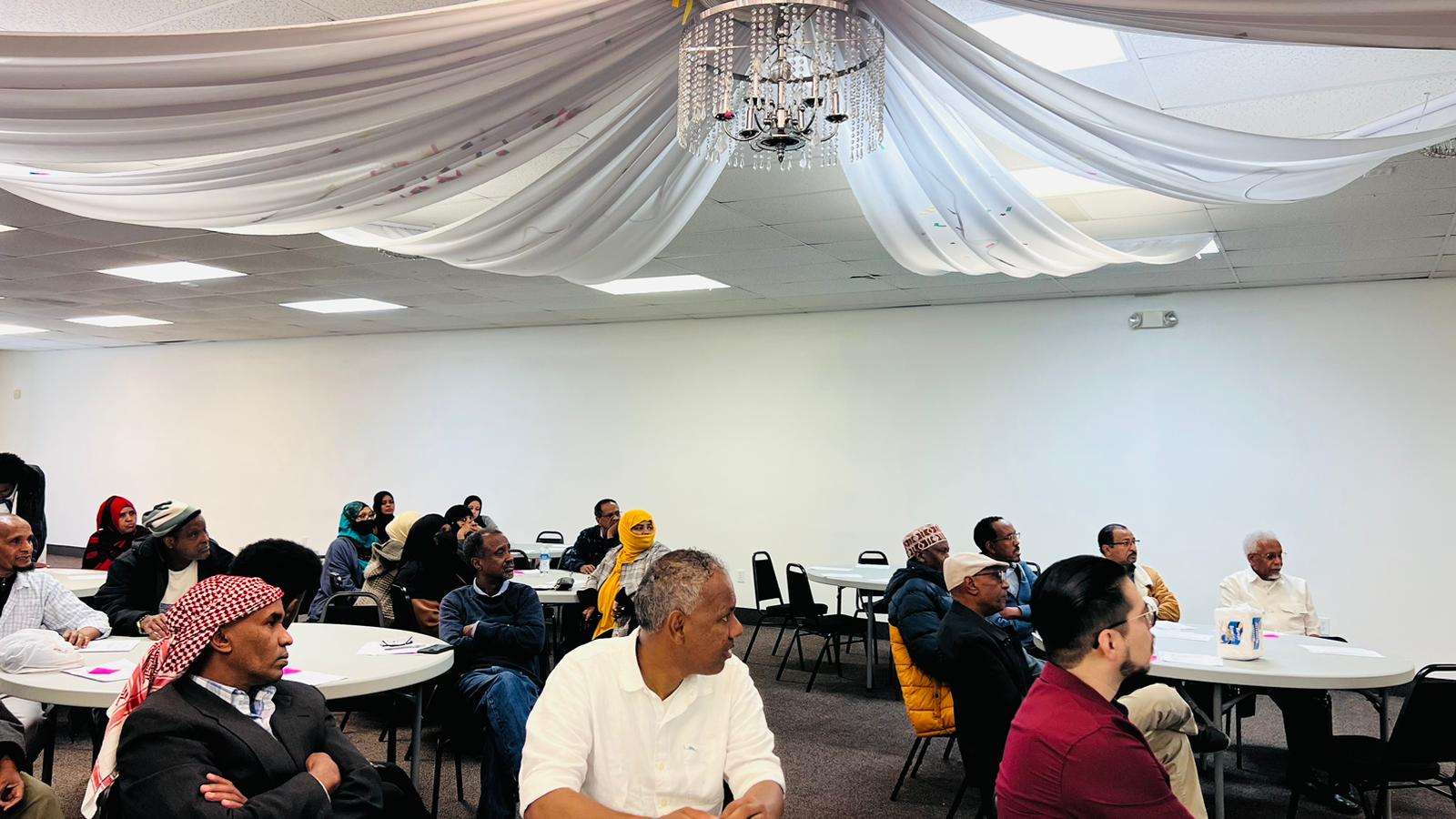
The highlight of the event was the Q&A, and being a Saturday afternoon, attendance was at a full capacity. Older people were curious about the nature of this disease and had many questions to ask. The questions ranged from the basic ones such as when the disease was discovered to complex ones such as symptoms of specific cancer types. It was well received, engaging and a great experience. We are sure that the upcoming set of workshops will equally be successful in creating the awareness immigrants need so badly.